
Marriage Under UAE Law: Legal Paths and Pitfalls
- rollsroycers rent
- 3 days ago
- 7 min read

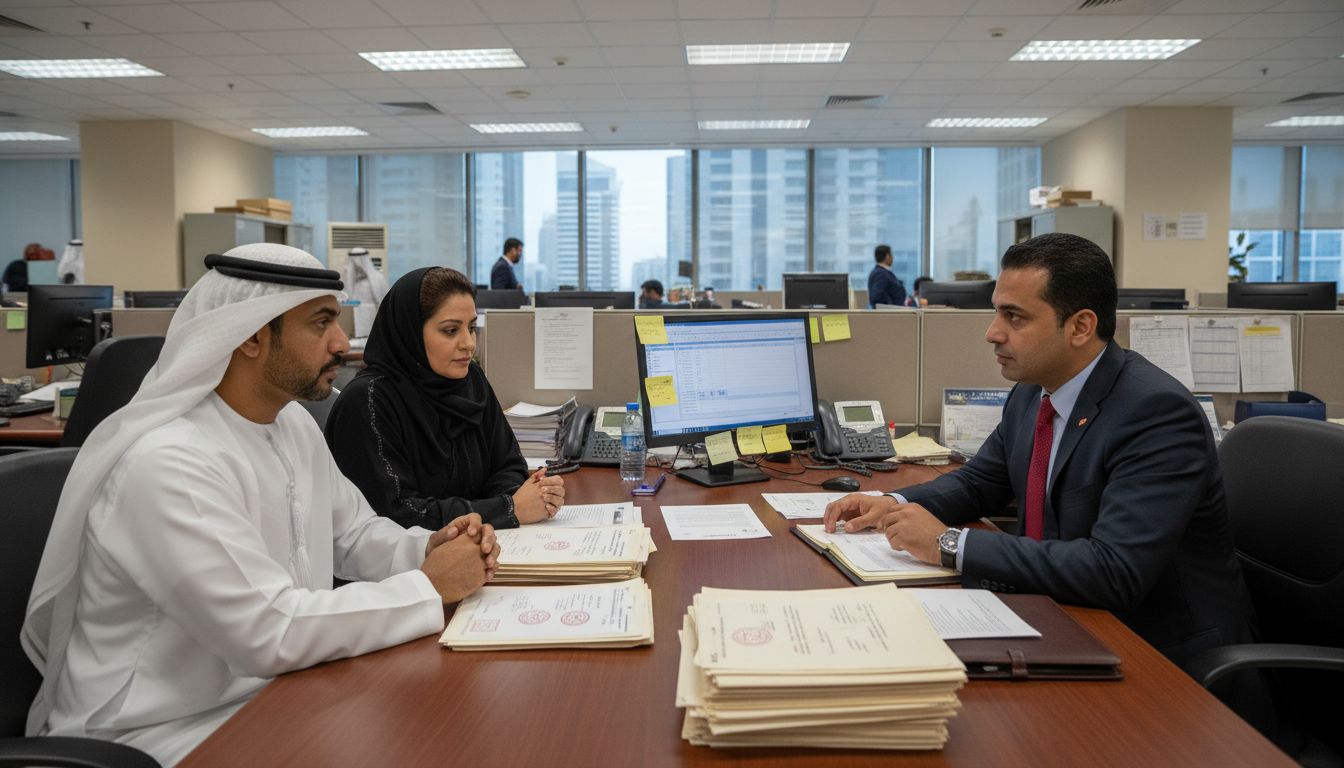
Every American living in the United Arab Emirates discovers quickly that marriage laws here are unlike any in the United States. With over half a million expatriates choosing to start new lives and families in the UAE, understanding these unique marriage requirements matters more than ever. This guide will clarify the legal paths, rights, and essential steps every couple must know before saying ‘I do’ on Emirati soil.
Table of Contents
Key Takeaways
Point | Details |
Understanding Marriage Pathways | Couples in the UAE can choose between Islamic marriages rooted in Sharia law and civil marriages that adhere to modern legal practices. Each pathway has distinct procedural requirements and cultural implications. |
Key Legal Requirements | Important legal documents include valid passports, proof of marital status, and medical fitness certificates, which must be meticulously prepared. Expatriates face additional documentation challenges in the marriage process. |
Rights and Obligations | Couples must be aware of their legal rights, which can differ significantly between civil and Islamic frameworks, including financial responsibilities, inheritance rights, and child custody provisions. |
Dissolution Processes | Understanding the procedural nuances of marriage dissolution is crucial, as civil and Islamic marriages follow different legal pathways, necessitating thorough documentation and professional guidance to navigate effectively. |
Marriage Under UAE Law Defined
Marriage in the United Arab Emirates represents a complex legal landscape that blends traditional Islamic principles with modern civil regulations. The UAE’s legal framework has evolved significantly, creating a unique system that accommodates both Muslim and non-Muslim residents through flexible marriage procedures. Legal marriage in this jurisdiction requires understanding multiple regulatory nuances that differ from Western legal traditions.
The fundamental legal structure of marriage in the UAE is grounded in two primary pathways: Islamic Sharia law and civil marriage procedures. For Muslim couples, marriage traditionally follows religious guidelines established under Islamic legal principles. Non-Muslim expatriates, however, can now access civil marriage options that align more closely with international practices, offering comprehensive legal protections for couples from diverse cultural backgrounds.
Key characteristics of marriage under UAE law include:
Mutual consent as a primary requirement
Legal recognition for both religious and civil ceremonies
Specific documentation requirements for expatriates
Age restrictions with minimum marriage age set at 21 years
Mandatory medical fitness certificates for prospective marriage partners
Navigating the UAE’s marriage legal framework demands careful attention to regulatory details. Foreign nationals must prepare comprehensive documentation, including valid passports, residency permits, and certificates proving marital status. The process involves multiple governmental departments and requires precise procedural compliance to ensure legal validity of the marriage registration.
Civil Versus Islamic Marriages Explained
The United Arab Emirates offers two distinctive marriage pathways that reflect its complex legal and cultural landscape: civil marriages and Islamic marriages. These two approaches differ significantly in their legal foundations, procedural requirements, and underlying philosophical frameworks. Understanding these distinctions is crucial for couples navigating the UAE’s marriage system, particularly for expatriates and residents from diverse backgrounds.
Civil marriages in the UAE represent a secular approach that prioritizes legal formalities over religious customs. These marriage procedures provide comprehensive legal protections for non-Muslim couples and those seeking a more administrative marriage process. Key characteristics include minimal religious involvement, no requirement for a guardian’s consent, and a focus on legal documentation and mutual agreement between partners.
Islamic marriages, conversely, are deeply rooted in Sharia law and traditional religious practices. These marriages require specific religious protocols, including:
Mandatory presence of a guardian (wali)
Required witnesses during the marriage ceremony
Adherence to Islamic legal principles
Specific documentation verifying religious compliance
Consideration of traditional familial and cultural expectations
The procedural differences between civil and Islamic marriages extend beyond ceremonial practices into legal recognition and personal status. While civil marriages offer a more streamlined approach for non-Muslims and those seeking a secular union, Islamic marriages maintain traditional religious frameworks that have been integral to UAE’s social and legal structures. Couples must carefully consider their personal circumstances, legal status, and cultural background when selecting their preferred marriage pathway.

Mandatory Legal Requirements and Processes
Navigating the legal landscape of marriage in the United Arab Emirates demands meticulous attention to a comprehensive set of mandatory requirements. These legal processes are designed to ensure the validity, authenticity, and legal recognition of marriages across different cultural and religious backgrounds. Couples must approach these requirements with precision and thorough preparation.
The marriage requirements process in the UAE involves multiple critical steps that vary depending on the couple’s nationality, religious affiliation, and residency status. Foreign nationals and expatriates face additional documentation challenges that require careful navigation of bureaucratic procedures. The primary objective of these stringent requirements is to protect the legal rights of both partners and establish a clear legal framework for their marital union.
Key mandatory legal requirements for marriage in the UAE include:
Valid passports for both partners
Proof of marital status (divorce or death certificates if previously married)
Medical fitness certificates
No-objection certificates from employers (for expatriate workers)
Age verification documents
Proof of residency status
Translation of international documents into Arabic
The documentation process demands exceptional attention to detail. Each document must be officially authenticated, translated, and verified by authorized government departments. Couples must anticipate potential complications and prepare comprehensive documentation well in advance of their planned marriage date. The complexity of these requirements underscores the importance of professional guidance and thorough preparation in navigating the UAE’s intricate legal marriage landscape.
Key Rights and Obligations for Couples
Marriage in the United Arab Emirates establishes a complex set of legal rights and obligations that vary significantly between civil and Islamic marriage frameworks. The legal system carefully balances traditional cultural expectations with modern interpretations of spousal responsibilities, creating a nuanced environment for marital partnerships. Understanding these rights becomes crucial for couples navigating their legal and personal commitments.
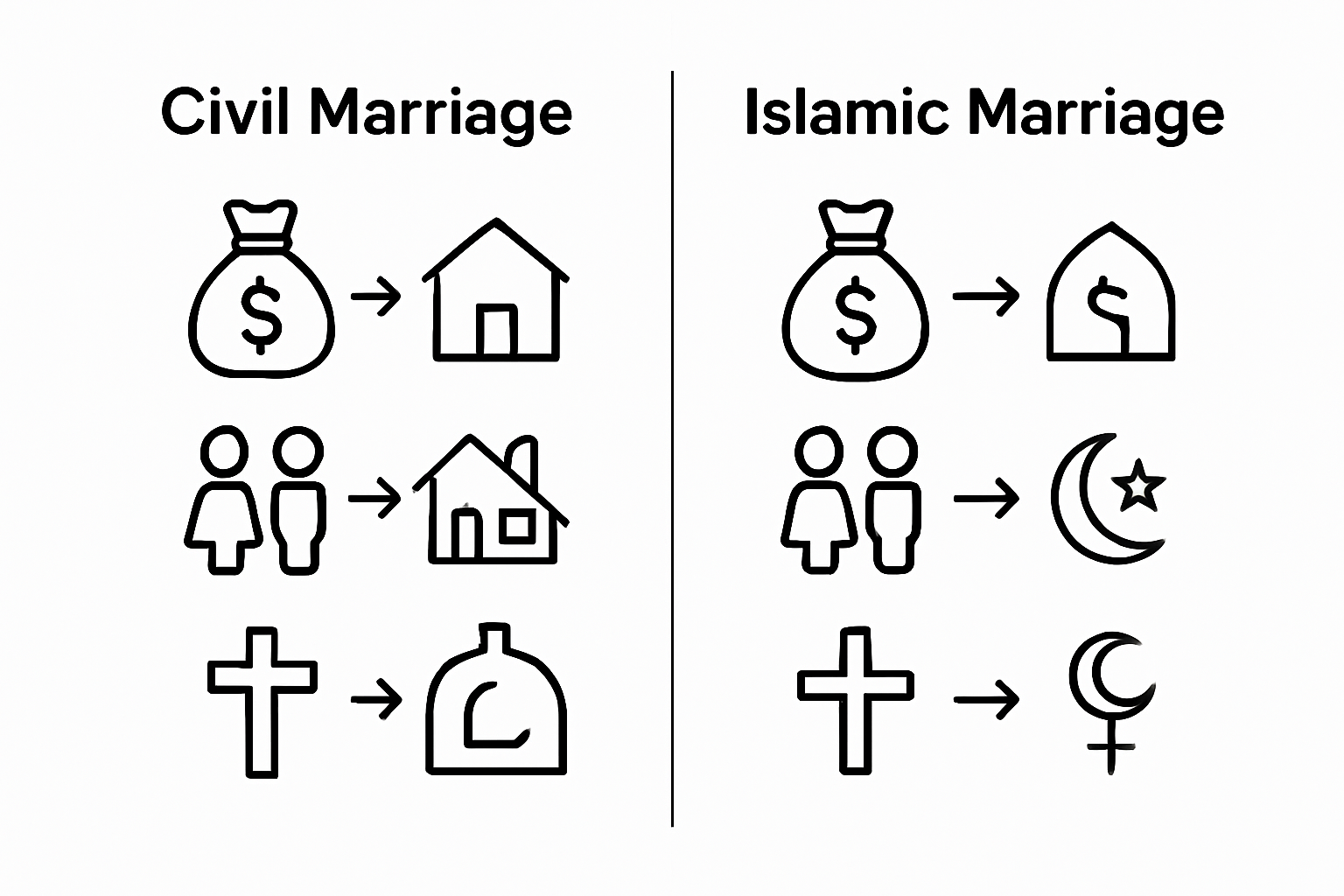
Islamic marriage processes include specific legal protections that outline distinct responsibilities for each spouse. Under traditional Sharia law, fundamental spousal rights include financial support, mutual respect, and defined inheritance provisions. The husband typically bears primary financial responsibilities, while the wife retains independent property rights and the ability to manage personal finances.
Key rights and obligations for couples in the UAE encompass:
Mutual financial support and maintenance
Right to inheritance and property ownership
Child custody and parental responsibilities
Protection against domestic violence
Equal legal representation in court proceedings
Right to seek divorce under specified legal conditions
Mandatory medical fitness certification before marriage
The legal framework recognizes the evolving nature of marital relationships, providing flexibility for couples while maintaining core principles of mutual respect and individual dignity. Civil marriages offer more egalitarian provisions, ensuring both partners have comparable legal standings, while Islamic marriages maintain traditional interpretations of spousal roles and responsibilities. Couples must carefully understand these nuanced legal expectations to establish a strong, legally protected partnership.
Dissolution, Annulment, and Common Mistakes
The legal landscape of marriage dissolution in the United Arab Emirates presents a complex terrain of procedural intricacies and cultural nuances. Couples navigating potential separation must understand the distinct pathways available under UAE law, which differ significantly between civil and Islamic marriage frameworks. The process demands meticulous attention to legal protocols and cultural sensitivities.
Divorce procedures in the UAE require careful legal navigation that varies based on marriage type, religious affiliation, and individual circumstances. Non-Muslim expatriates benefit from more streamlined civil procedures, while Islamic marriages follow traditional Sharia law principles. Each dissolution pathway involves specific documentation, waiting periods, and potential financial settlements that can dramatically impact both partners.
Common mistakes couples encounter during marriage dissolution include:
Insufficient documentation preparation
Misunderstanding jurisdiction-specific legal requirements
Failing to understand financial settlement implications
Neglecting child custody considerations
Overlooking potential cultural and religious constraints
Inadequate legal representation
Emotional decision-making without professional guidance
The annulment process in the UAE requires proving specific legal grounds, such as fraud, non-consummation, or lack of legal capacity at the time of marriage. Couples must demonstrate clear evidence supporting their annulment claims, with courts carefully evaluating each case’s unique circumstances. The legal system prioritizes protecting individual rights while maintaining the sanctity of marital commitments, ensuring that dissolution processes remain fair and systematically structured.
Navigate Your Marriage Journey with Expert UAE Support
Understanding the intricate legal paths and potential pitfalls of marriage under UAE law can feel overwhelming. Whether you are facing the complexities of Islamic or civil marriage procedures, managing extensive documentation, or seeking clarity on your legal rights and obligations, the challenges are real. You deserve reliable guidance that simplifies the process and ensures your union is legally protected and celebrated with confidence.
At Harris & Charms, we specialize in bridging these gaps for couples like you. Our comprehensive services cover everything from precise documentation processing and legal attestations to personalized wedding planning that respects your cultural and legal needs. Discover how we can transform your marriage experience with expert support rooted in both legal know-how and heartfelt storytelling. Explore our services to start your journey stress-free and fully prepared.

Take control of your marriage under UAE law today by partnering with specialists who understand every detail. Visit https://harrisandcharms.com to learn more about our tailored solutions for civil and Islamic marriages and start with a free consultation. Let us help you avoid common mistakes, secure your rights, and make your special day truly unforgettable.
Frequently Asked Questions
What are the main legal requirements for getting married in the UAE?
To marry in the UAE, couples must provide valid passports, proof of marital status, medical fitness certificates, no-objection certificates from employers (for expatriate workers), age verification documents, and residency proof. All international documents must be translated into Arabic and authenticated.
What is the difference between civil marriage and Islamic marriage in the UAE?
Civil marriage is a secular process with minimal religious involvement, focusing on legal documentation and mutual consent. Islamic marriage adheres to Sharia law, requiring the presence of a guardian, witnesses, and specific religious protocols.
What are the key rights and obligations of married couples under UAE law?
In the UAE, married couples have responsibilities such as mutual financial support, rights to inheritance and property ownership, child custody arrangements, and protections against domestic violence, varying between civil and Islamic marriage frameworks.
How can couples navigate the dissolution of marriage in the UAE?
Divorce procedures depend on whether the marriage is civil or Islamic. Couples must prepare legal documentation, understand jurisdiction-specific requirements, and consider financial settlements and child custody. Legal advice is often essential to navigate this complex process.
Recommended
Comments