
7 Essential Steps for Islamic Marriage Checklist UAE

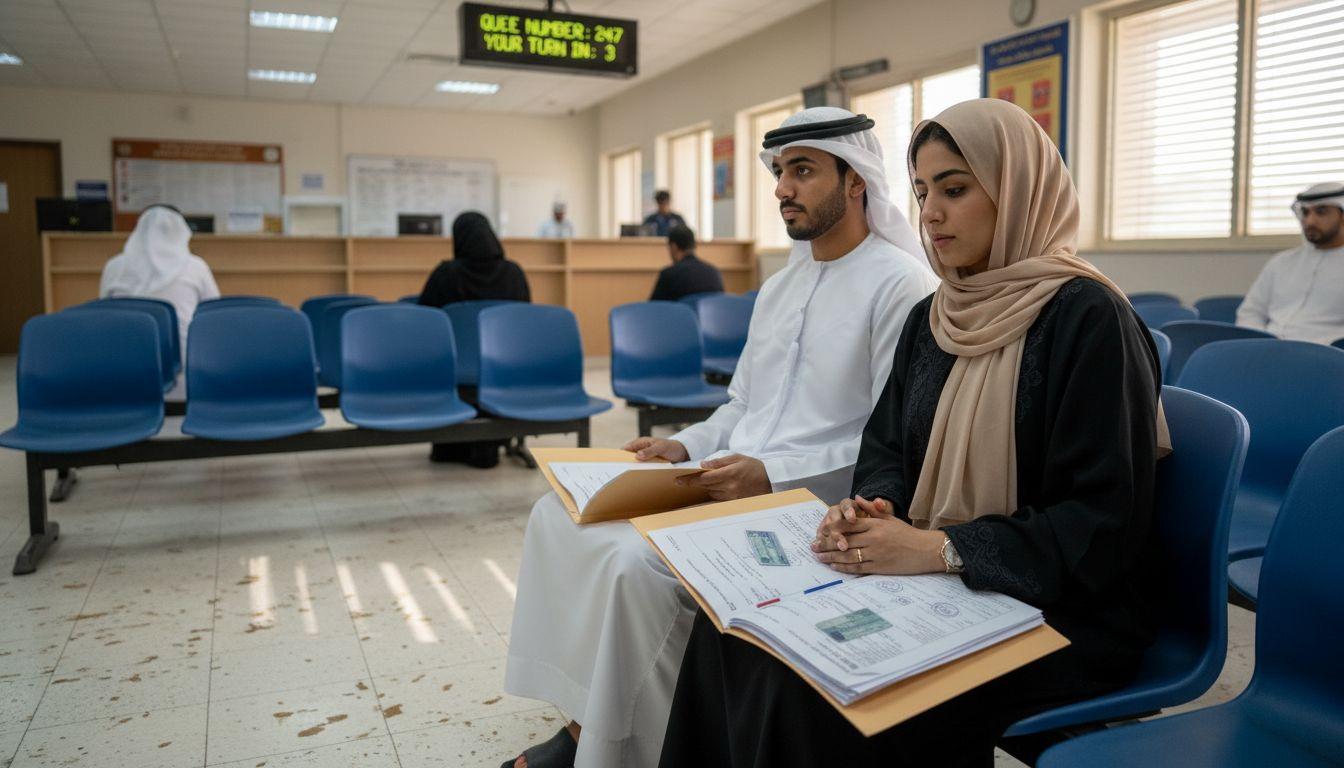
Getting married in the United Arab Emirates can feel complicated when you encounter unfamiliar legal and religious procedures. Whether you are a resident or an expatriate, there are specific rules and documents you cannot ignore. Missing a single step could delay your wedding or make your marriage contract invalid.
This guide reveals the practical requirements for you to make an Islamic marriage checklist for a successful Islamic marriage registration in the UAE. You will discover crucial details like preparing your personal documents, meeting residency rules, booking appointments with the Sharia court, and completing medical screenings. Each step offers clear instructions so you can move forward with confidence.
Ready to learn exactly what it takes to organize your marriage the right way? The following list breaks down the actionable steps every couple must follow for a smooth and official marriage process in the UAE.
Table of Contents
Quick Summary of Islamic marriage checklist UAE
Takeaway | Explanation |
1. Ensure documents are valid and in order | Confirm that all personal documents are current, undamaged, and accurately reflect your information to avoid registration delays. |
2. Verify residency and legal status | At least one partner must hold a valid UAE residency visa; check specific requirements early in the process. |
3. Obtain medical fitness certificates | Schedule medical exams at approved centers to ensure health assessments are complete well before marriage registration. |
4. Schedule appointments with Sharia court | Book your marriage appointment at least 30-45 days in advance to ensure document verification and smooth processing. |
5. Prepare qualified witnesses | Select two competent Muslim male witnesses who fulfill legal requirements to ensure your marriage contract is valid. |
1. Confirm Personal Documents and Valid IDs
Navigating the legal requirements for marriage in the United Arab Emirates starts with a critical first step: having your personal documents in perfect order. The UAE government mandates strict documentation verification for couples seeking an Islamic marriage, making document preparation essential.
When preparing for marriage, official identification documents serve as the foundation of your legal registration process. These documents not only confirm your identity but also establish your eligibility to enter into marriage under Sharia law. The primary documents you will need include valid passports, Emirates IDs, and original birth certificates.
For expatriate couples in the UAE, this step becomes even more crucial. Each document must be current, undamaged, and accurately reflect your personal information. Mismatched or expired documents can create significant delays in your marriage registration process. International couples should also ensure their passports are valid for at least six months beyond their planned marriage date.
Specifically, you will need to prepare:
Original valid passport
Emirates ID (for residents)
Original birth certificate
Valid residence visa (for expatriates)
Passport size photographs
Additional considerations include ensuring all international documents are properly translated and attested by authorized translation centers recognized by the UAE government. This typically involves having your documents translated into Arabic and authenticated by official entities.
Pro tip: Schedule a preliminary document review with the marriage registration office at least one month before your planned wedding date to identify and resolve any potential documentation issues in advance.
2. Meet UAE Residency and Legal Status Requirements
Understanding the legal residency requirements is a critical step for anyone planning an Islamic marriage in the United Arab Emirates. The UAE has specific regulations regarding marriage eligibility that directly connect to an individual’s residency and legal status.
For marriage registration, at least one partner must hold a valid UAE residency visa. This requirement applies to both Muslim and non-Muslim residents, ensuring that couples meet the legal framework established by UAE authorities. Your residency status serves as a fundamental prerequisite for initiating the marriage registration process.
Different scenarios exist for residency requirements depending on your specific situation. Expatriate couples might need to navigate more complex documentation processes compared to UAE nationals. This typically involves presenting:
Current residence visa
Valid passport
Proof of legal residency status
Employment documents or sponsorship information
Expatriate couples should pay special attention to their marriage visa requirements, which can vary based on individual circumstances such as employment type, nationality, and current visa classification. Some individuals might require additional documentation or endorsements from their respective embassies or sponsoring organizations.
It is crucial to verify that all legal status documents are current and accurately reflect your personal information. Discrepancies or expired documentation can significantly delay or potentially prevent marriage registration.
Pro tip: Consult with the marriage registration office or a legal advisor at least two months before your planned marriage date to confirm all specific residency and legal status documentation requirements for your unique situation.
3. Obtain Medical Fitness Certificates
Navigating the medical requirements for marriage in the United Arab Emirates involves obtaining a critical document that ensures the health and compatibility of prospective marriage partners. The medical fitness certificate represents an essential step in the UAE marriage registration process, mandated by government regulations to protect individual and public health.
Medical screening is more than a bureaucratic requirement it is a comprehensive health assessment designed to identify potential genetic or communicable health conditions that could impact marital life. The UAE government requires both partners to undergo thorough medical examinations at approved healthcare facilities to receive their official medical fitness certificates.
The medical fitness examination typically includes:
Blood type compatibility testing
Screening for genetic disorders
HIV and other communicable disease tests
Comprehensive health status evaluation
Genetic compatibility assessment
These screenings serve multiple purposes. They protect individual health, prevent potential genetic complications, and ensure both partners enter marriage with a clear understanding of their medical background. For expatriate couples, the process might involve additional documentation or specific testing protocols based on their country of origin.
Couples should plan to complete their medical fitness certificates well in advance of their marriage registration. Most approved health centers can complete the entire screening process within 1 to 2 weeks, providing ample time for result verification and potential follow up medical consultations.
Pro tip: Schedule your medical fitness examinations at government approved healthcare centers that specialize in premarital screenings to ensure smooth processing and immediate certificate issuance.
4. Schedule Marriage Appointment with Sharia Court
Scheduling a marriage appointment with the Sharia court represents a pivotal moment in your Islamic marriage journey in the United Arab Emirates. This formal step transforms your marriage preparation from personal planning to official legal recognition under Islamic law.
Sharia court appointments are mandatory for Muslim couples seeking legal marriage registration. The process involves coordinating with the court to select a specific date and time for your marriage contract ceremony. Each emirate may have slightly different procedures, but the fundamental requirements remain consistent across the UAE.
To schedule your marriage appointment, you will typically need to:
Gather all required personal documents
Submit your completed marriage application
Provide medical fitness certificates
Present valid identification and residency documents
Pay the required court registration fees
The Islamic marriage registration process can vary depending on your specific circumstances such as nationality, residency status, and the emirate where you are registering. Some courts offer online booking systems, while others might require in person appointments.
Planning ahead is crucial. Most Sharia courts recommend booking your marriage appointment at least 30 to 45 days in advance. This timeline allows for thorough document verification and ensures smooth processing of your marriage contract.
Pro tip: Contact the specific Sharia court in your emirate directly to confirm their exact documentation requirements and preferred appointment scheduling method.
5. Gather and Prepare Required Witnesses
In the Islamic marriage process within the United Arab Emirates, witnesses play a critical legal role that extends far beyond mere ceremonial participation. The presence of qualified witnesses is a fundamental requirement for validating your marriage contract under Sharia law.
Islamic marriage regulations specifically mandate two competent Muslim male witnesses who will formally attest to the marriage proceedings. These witnesses are not optional participants but essential legal representatives who authenticate the marriage contract with their presence and testimony.
The specific requirements for marriage witnesses include:
Must be adult Muslim males
Possess valid Emirates ID
Be of sound mind and legal standing
Have no criminal record
Understand the marriage contract proceedings
When selecting witnesses, couples should carefully consider individuals who meet these strict legal qualifications. Family members, close friends, or respected community members who fulfill the legal criteria can serve as appropriate witnesses. Their role involves confirming the voluntary nature of the marriage and verifying the identities of the marrying couple.
The Islamic marriage documentation process requires these witnesses to be present during the official marriage contract signing. They will be asked to provide their identification documents and may be interviewed to confirm their understanding of the marriage contract.
Pro tip: Discuss witness selection with your Sharia court representative in advance to ensure full compliance with legal requirements and prevent potential delays in your marriage registration.
6. Understand and Complete Marriage Contract Procedures
The Islamic marriage contract represents more than a legal document it is a sacred covenant that defines the fundamental framework of your marital relationship under Sharia law. Understanding and navigating the contract procedures requires careful attention to both religious principles and legal requirements.
Nikah contract procedures involve several critical components that must be meticulously prepared and executed. These include formal offer and acceptance, clear specification of the mahr (dowry), consent from the bride’s guardian, and precise documentation of both parties consent and agreement.
Key elements of the marriage contract include:
Formal marriage proposal and acceptance
Specification of dowry amount
Guardian consent (for the bride)
Mutual agreement terms
Witness verification
Official court documentation
The Islamic marriage contract process in the UAE involves presenting all required documentation to the Sharia court. Each detail must be accurately recorded to ensure the marriage is legally recognized. Couples should prepare comprehensive documentation that clearly demonstrates their understanding and voluntary participation in the marriage agreement.
Potential complexities can arise from variations in personal circumstances such as previous marriages, international backgrounds, or specific cultural considerations. Consulting with a legal advisor who specializes in Islamic marriage contracts can help navigate these nuanced requirements.
Pro tip: Request a comprehensive review of your marriage contract draft from a qualified Islamic legal expert to identify and address any potential issues before the official court submission.
7. Arrange Legal Attestation and Certificate Collection
The final stage of your Islamic marriage journey in the UAE involves obtaining officially attested marriage certificates that validate your legal union across government and international platforms. Legal attestation transforms your marriage contract into a recognized official document with substantial legal weight.
Marriage certificate attestation requires careful navigation through specific government procedures. The process involves multiple governmental entities including the Ministry of Justice and the Ministry of Foreign Affairs and International Cooperation (MOFAIC), which authenticate your marriage documentation for both domestic and international recognition.
Key steps in the attestation process include:
Submitting original marriage contract documents
Paying required government attestation fees
Verification of document authenticity
Obtaining official stamped certificates
Collecting certified marriage documentation
The marriage certificate attestation process can take between 3 to 7 working days depending on the specific emirate and governmental processing times. International couples should plan accordingly and prepare all necessary supporting documents in advance.
Each attested marriage certificate serves multiple critical purposes including visa applications, residency permits, banking procedures, and potential future legal requirements. Keeping multiple certified copies ensures you have backup documentation for various administrative needs.
Pro tip: Request additional certified copies during the initial attestation process to save time and avoid repeat administrative procedures in the future.
Below is a comprehensive table summarizing the steps and requirements for obtaining an Islamic marriage in the United Arab Emirates as discussed in the article.
Step | Details and Actions | Significance and Advantages |
Confirm Personal Documents and Valid IDs | Gather necessary documents: passports, Emirates IDs, birth certificates, and visa details. Ensure documents are translated and attested where applicable. | Facilitates a seamless registration process by ensuring compliance with legal documentation prerequisites. |
Meet UAE Residency and Legal Status Requirements | Maintain at least one partner’s valid residency visa and fulfill legal status requirements based on individual circumstances such as employment or nationality. | Establishes eligibility to undergo the registration process within the UAE. |
Obtain Medical Fitness Certificates | Complete medical screenings at approved facilities, assessing health, compatibility, and genetic considerations. | Ensures both partners are informed of health conditions and comply with public health regulations. |
Schedule Marriage Appointment with Sharia Court | Prepare documentation and book an appointment with the Sharia court at least 30 to 45 days ahead. Submit necessary paperwork and make fee payments. | Ensures official acknowledgment of the marriage under Sharia law through verified proceedings. |
Gather and Prepare Required Witnesses | Select two qualified witnesses meeting the mandated legal criteria and ensure their presence at the court. | Provides legal validation and authenticates the marriage agreement. |
Understand and Complete Marriage Contract Procedures | Engage in an informed drafting of the marriage contract emphasizing dowry specifications, mutual obligations, consent, and compliance with Sharia principles. | Secures a mutual and legally binding agreement aligned with religious and legal standards. |
Arrange Legal Attestation and Certificate Collection | Submit the marriage contract for attestation through relevant ministries ensuring proper documentation for international and local recognition. | Officially validates the marriage, enabling authenticity for administrative and official purposes. |
Simplify Your Islamic Marriage Journey in the UAE with Expert Support
Preparing for an Islamic marriage in the UAE involves complex steps like confirming valid personal documents, meeting residency requirements, obtaining medical fitness certificates, and navigating the Sharia court process. These challenges can feel overwhelming, especially when dealing with strict legal criteria, witness selection, and contract attestation. Your goal is to complete the entire process smoothly without unnecessary delays or confusion.
Harris & Charms understands these pain points and offers personalized assistance tailored to your unique situation. From helping you organize essential paperwork to managing legal attestations and coordinating with Sharia courts, our service ensures your marriage registration is efficient and stress-free. Our founders’ heartfelt story and commitment to couples make us the trusted choice for modern marriages in the UAE.
Ready to turn your Islamic marriage checklist into a seamless reality? Explore how our expert team can help you at Harris & Charms today.

Begin your journey with confidence and ease by contacting us now for comprehensive support on civil and Islamic marriages, documentation processes, and legal attestation. Discover reliable solutions and make your special day truly worry-free by visiting our website. Learn more about the Islamic marriage registration process and start planning with Harris & Charms today.
Frequently Asked Questions
What personal documents do I need to prepare for an Islamic marriage in the UAE?
You will need original valid passports, Emirates IDs (for residents), birth certificates, valid residence visas (for expatriates), and passport-sized photographs. Ensure all documents are current and correctly reflect your personal information before your marriage registration.
How do I meet the residency requirements for marriage in the UAE?
At least one partner must hold a valid UAE residency visa to initiate the marriage registration process. Check your residency status and have the necessary documentation ready at least two months before your marriage date to avoid delays.
What is involved in obtaining a medical fitness certificate for marriage?
The medical fitness certificate requires you and your partner to undergo health screenings at approved healthcare facilities. Schedule this appointment early, as results may take 1 to 2 weeks, ensuring you receive the certification in time for marriage registration.
How do I schedule an appointment with the Sharia court for marriage?
To schedule an appointment, gather all required personal documents, submit your marriage application, and pay any necessary fees. Plan to book your appointment at least 30 to 45 days in advance to ensure all details are processed accurately.
What are the witness requirements for an Islamic marriage in the UAE?
You need two adult Muslim male witnesses who possess valid Emirates IDs and are of sound mind. Carefully select individuals who meet these legal qualifications and ensure their presence during the marriage contract signing to validate the process.
How do I complete the legal attestation of my marriage certificate?
To complete the legal attestation, submit the original marriage contract to the relevant government offices and pay the required fees. Aim to initiate this process immediately after your marriage registration, as it may take 3 to 7 working days to obtain certified copies.
Recommended
Comments